What Is Pallet Racking and How Does It Work?
Pallet Racking is the steel framework that turns open warehouse space into organized, vertical storage. A forklift carries a pallet to a selected bay, then places it on beams supported by upright frames. The result can look simple: labeled aisles, orange beams, and goods stacked above the floor. But safe, useful storage depends on more than fitting pallets into empty spaces. Loads, aisle widths, equipment, and the building’s clear height all shape the design.
Warehouse systems engineer Maya Chen captures the central idea: “Good Pallet Racking makes every stored load accessible without asking the structure to carry more than it should.” The quote is a practical design principle, not a substitute for site-specific engineering. Rack components must suit the loads and handling methods, and damaged parts deserve prompt attention. A bent upright can be easy to overlook. That matters.
This guide explains common rack layouts, how loads move through them, and what to consider when choosing a system. Selective racking, for example, offers direct access to each pallet; denser layouts may trade some access for greater capacity. No layout is perfect. Real warehouses change, and a plan that works on paper can feel awkward when forklifts meet busy picking zones. Understanding how Pallet Racking works helps teams ask better questions before installation, during daily use, and whenever storage needs shift.
What Pallet Racking Is and What It Is Used For
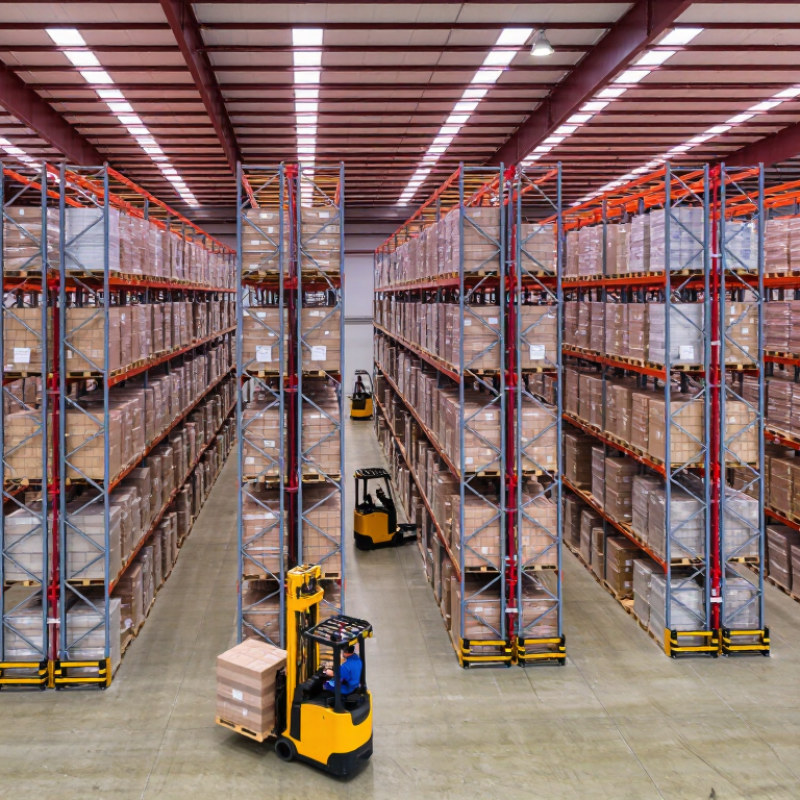
Pallet racking is a steel storage structure that holds goods on pallets above the warehouse floor. Upright frames support horizontal beams, creating bays where forklifts place and retrieve loads. A typical aisle may have rows of racks on both sides, with each pallet assigned a location. The arrangement keeps cartons off the floor and makes stock easier to count and move. It is common in distribution centers, factories, and retail backrooms. The details matter.
Rack type affects access. Selective racks let forklifts reach each pallet directly, while drive-in systems trade some access for denser storage. Pallet-flow racks use inclined rollers to move stock forward. Grand View Research’s warehouse racking market report estimated a global market value of about US$8.2 billion in 2023, with projected growth through 2030. This is a market estimate, not a count of installed racks, but it signals sustained investment in storage infrastructure. A busy site still needs the right layout for its actual inventory.
In daily use, workers scan a location, position the forklift, and set the pallet onto the beams. Load limits, pallet condition, and clear aisle space all affect safe operation. A bent beam may look minor. It may not be. Capacity depends on rack design, beam spacing, and load distribution, so estimates based only on appearance can be unreliable. Warehouse teams should verify specifications and inspect for damage; the floor plan often needs revisiting when product sizes or traffic patterns change.
The Main Components of a Pallet Racking System
A pallet racking system is built from a few parts that work together to support stored goods. Upright frames form the vertical structure, with columns connected by diagonal and horizontal braces. The braces help keep each frame stable under its intended load. Frames are fixed to the floor with base plates and suitable anchors.
Horizontal beams connect the uprights and create the storage levels. Their length and connector design must match the frame and planned load. Beam capacity depends on factors such as span and load distribution, so a qualified supplier or engineer should verify the configuration. Small details matter. A poorly seated connector or damaged beam can affect safe operation.
Pallets rest on the beams, sometimes with wire decking or other approved supports between them. These supports help when pallet dimensions vary, but they do not automatically increase the rack’s capacity. Row spacers, column guards, and end-of-aisle protectors can help limit damage from routine forklift contact. Load signs should show the permitted capacities clearly.
In a busy warehouse, labels can fade and layouts can change; that’s easy to overlook. Regular inspections help identify bent uprights, loose anchors, or missing components before they become bigger concerns.
How Pallets Are Loaded, Stored, and Retrieved
Pallets are loaded onto racking with a forklift or another suitable lifting truck. With selective pallet racking, the driver raises each pallet and places it across two horizontal beams. The pallet must sit squarely, with its load stable and its weight within the rack’s rated capacity. Small details matter: a loose carton or damaged pallet can shift during handling. The operator checks that the beams are engaged and the load is not hanging into the aisle. It should look steady.
Once stored, each pallet occupies a marked bay and level. Clear labels help workers match stock records to the correct location, while a planned layout keeps frequently needed goods near accessible aisles. Retrieval reverses the process: the truck enters the aisle, lifts the pallet clear of the beams, and lowers it before traveling. Operators should avoid turning with a raised load and keep people clear of the work area. Stock rotation depends on the racking layout and the goods; not every system offers access to every pallet at once. It is tempting to assume every pallet fits. They do not. Rack capacity, pallet condition, load shape, and aisle space all deserve regular checks, especially after a layout change or impact.
Common Types of Pallet Racking and Their Layouts
Selective pallet racking is the familiar layout of parallel rows with aisles between them. Each pallet has direct access from the aisle, making stock rotation and order picking straightforward. It suits warehouses with many product types and modest quantities of each. The trade-off is space: wider aisles can reduce storage density. Space matters.
Drive-in racking places rails inside deep lanes, so a forklift enters the structure to store or retrieve pallets. This layout works best when many pallets share a product and strict first-in, first-out rotation is less important. Drive-through lanes allow access from both ends, which can support a different rotation pattern. Double-deep racking stores two pallets deep, but requires compatible equipment and makes the rear pallet less accessible. A small change in forklift reach can affect the whole aisle plan.
Push-back and pallet-flow systems use inclined rails to move pallets toward the picking face. Push-back generally serves several pallets of one product in a lane, while pallet flow uses rollers and is often arranged for first-in, first-out movement. These systems can save aisle space, but they need consistent pallet dimensions and careful loading. Before choosing a layout, compare pallet weight, load sizes, lift-truck turning space, and access needs. Site measurements matter; a drawing alone can miss a column, sprinkler line, or awkward corner.
Safety and Capacity Factors in Pallet Racking Operations
Pallet racking stores unit loads on horizontal beams supported by upright frames. Forklifts place and retrieve pallets, often at height, so safe operation depends on more than the rack’s posted capacity. OSHA standard 29 CFR 1910.176(b) requires stored materials to remain stable and secure against sliding or collapse. In practice, workers should check that pallets sit squarely on both beams, with no split boards or shifted cartons. Small misalignments matter.
Capacity is specific to the rack’s configuration, beam spacing, frame height, and load distribution. The Rack Manufacturers Institute’s ANSI MH16.1 standard covers the structural design of industrial steel storage racks; operators should follow the rack supplier’s rated-load information, not estimate by appearance. OSHA’s widely cited powered-industrial-truck estimates report about 85 deaths and 34,900 serious injuries each year. These figures concern forklifts broadly, not rack failures alone, but they show why clear travel lanes and controlled turns matter. A tidy aisle can still hide a bent upright. Inspect racks routinely, report impacts, and keep damaged sections unloaded until assessed by a qualified person. A label helps, but it cannot make an uneven load safe.
FAQS
It stores palletized goods above the warehouse floor. Forklifts place and retrieve pallets from marked rack locations.
Upright frames support horizontal beams. Base plates and anchors secure frames to the floor. Pallets rest on beams, sometimes with approved decking.
Selective racking provides direct aisle access to each pallet. It suits varied products, though wider aisles can reduce storage density. Space matters.
It can suit warehouses storing many pallets of the same product. Forklifts enter deep lanes, so access to individual pallets is more limited.
Inclined rails move pallets toward the picking face. Push-back systems store several pallets in a lane, while pallet-flow systems use rollers and often support first-in, first-out movement.
Compare pallet weights, load sizes, forklift turning space, and access needs. Measure around columns and sprinkler lines, too. Drawings can miss awkward corners.
Check for bent uprights, damaged beams, loose anchors, and missing parts. Keep load signs readable and aisles clear. Small damage matters.
Not automatically. Decking can support pallets with varying dimensions, but capacity still depends on the rack design and load distribution. Verify the specifications rather than guessing by appearance.
Conclusion
Pallet Racking is a warehouse storage system designed to organize palletized goods and make efficient use of vertical space. A typical system consists of upright frames, horizontal beams, braces, and safety components that work together to support stored loads. Its layout can be adapted to the size of the facility, the type of goods, and how often items need to be accessed.
In operation, pallets are placed onto the rack beams and later retrieved using suitable material-handling equipment. Common configurations include selective racks for direct access to individual pallets, as well as denser layouts that trade some selectivity for greater storage capacity. Safe and reliable use depends on choosing equipment with an appropriate load capacity, distributing loads correctly, protecting the structure from impacts, and carrying out regular inspections. Together, these considerations help warehouses balance storage density, accessibility, and day-to-day safety.
Blog Tags: