Blog
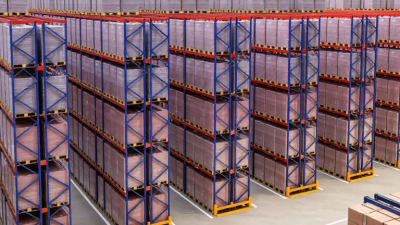
Why Choose a Pallet Storage Racking System?
A warehouse can look spacious at floor level and still run out of usable capacity. Pallets wait in receiving lanes, forklifts turn around blocked aisles, and fast-moving stock gets buried behind slower inventory. A Pallet Storage Racking System can use vertical space more effectively while giving each load a defined storage location. The right design can also support safer, more predictable picking.
The business case is growing. MHI’s 2024 Annual Industry Report, produced with Deloitte, found that 55% of surveyed supply-chain professionals planned to increase technology and innovation investments. That figure does not prove that racking alone improves performance. It does show why many operators are reviewing warehouse systems, space, and material flow together. Racking is one practical part of that review.
Still, a rack is not a cure-all. Poorly matched beam heights, aisle widths, or pallet loads can create new bottlenecks. The useful question is not simply how many pallets fit, but how safely and quickly teams can access them. A careful assessment should consider inventory turnover, forklift type, building clearances, floor conditions, and future growth. Small details matter. A column in the wrong place can change an aisle plan. This guide explores why businesses choose pallet racking, what benefits it can offer, and which trade-offs deserve attention before installation.
Read more »
 By:Olivia
- November 13, 2026
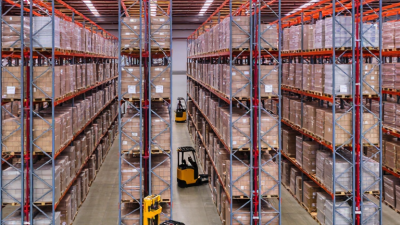
What Is Pallet Racking and How Does It Work?
Pallet Racking is the steel framework that turns open warehouse space into organized, vertical storage. A forklift carries a pallet to a selected bay, then places it on beams supported by upright frames. The result can look simple: labeled aisles, orange beams, and goods stacked above the floor. But safe, useful storage depends on more than fitting pallets into empty spaces. Loads, aisle widths, equipment, and the building’s clear height all shape the design.
Warehouse systems engineer Maya Chen captures the central idea: “Good Pallet Racking makes every stored load accessible without asking the structure to carry more than it should.” The quote is a practical design principle, not a substitute for site-specific engineering. Rack components must suit the loads and handling methods, and damaged parts deserve prompt attention. A bent upright can be easy to overlook. That matters.
This guide explains common rack layouts, how loads move through them, and what to consider when choosing a system. Selective racking, for example, offers direct access to each pallet; denser layouts may trade some access for greater capacity. No layout is perfect. Real warehouses change, and a plan that works on paper can feel awkward when forklifts meet busy picking zones. Understanding how Pallet Racking works helps teams ask better questions before installation, during daily use, and whenever storage needs shift.
Read more »
 By:Ethan
- November 13, 2026
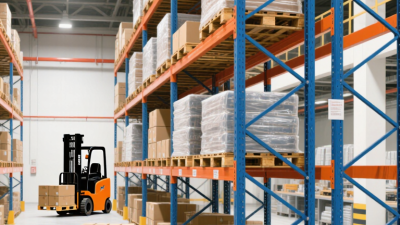
China Top 10 Pallet Rack Systems Manufacturers
Choosing among China’s leading Pallet Rack Systems manufacturers requires more than comparing prices. A rack may look solid in a catalog, yet details like beam connectors, upright thickness, and finish quality matter on a busy warehouse floor. Small details count.
This guide introduces ten manufacturers for buyers assessing storage projects, from selective pallet racks to higher-density configurations. It considers product range, customization, engineering support, quality-control practices, export experience, and after-sales service. These factors can help narrow a shortlist, but they do not replace a project-specific review. Load capacity, pallet dimensions, forklift type, aisle width, and building conditions all affect the right design. A supplier should provide clear specifications and drawings for evaluation.
“Top ten” is a useful starting point, not a universal verdict. Rankings can vary with market, project scale, and buyer priorities. That is an imperfect shortcut. Before requesting a quotation, confirm what the price includes, how finishes are specified, and whether installation guidance is available. Ask for relevant project references and documentation, then compare proposals on consistent requirements. A lower initial price may not reflect the full cost of ownership. Neither does a polished brochure. The manufacturers covered here offer a framework for further research, while final selection should depend on verified capabilities and the needs of your warehouse.
Read more »
By:Ethan
- November 13, 2026