Engineered Racking Solutions & Systems
Explore our precision-manufactured warehouse racking systems. Each unit is customized to exact structural tolerances and optimized for maximum spatial density.
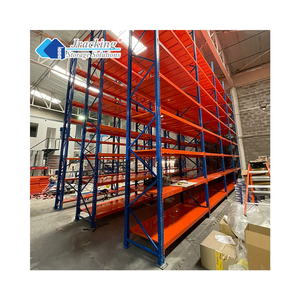
Jracking Dexion Style Warehouse Shelving Heavy Duty Pallet Rack
View Product Specs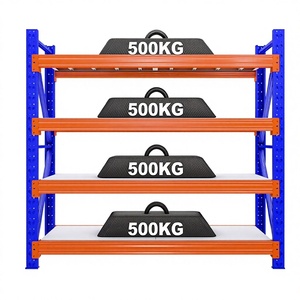
Hot Selling Medium Duty Storage Racks Adjustable Steel Warehouse Shelves
View Product Specs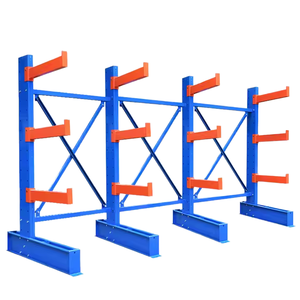
Strong Durable Industrial Cantilever Rack Boltless Heavy Duty Shelving
View Product Specs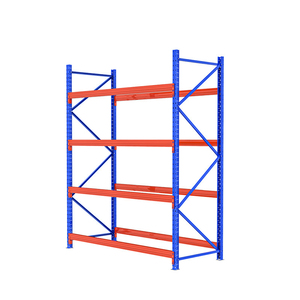
Heavy-duty Steel Shelf 5 Strong Load-bearing Capacity Boltless Design
View Product Specs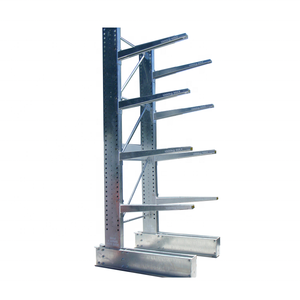
Large Capacity Logistics Equipment Cantilever Racking Galvanized Rack
View Product Specs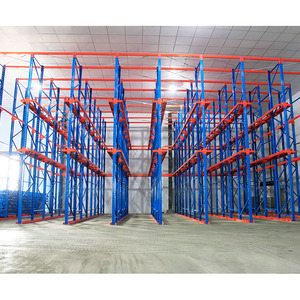
Drive-Through Pallet Rack Forklift Pickup Heavy Duty High Density Storage
View Product Specs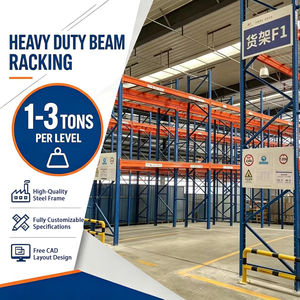
Industrial Pallet Racking System Flexible Height Adjustment Steel Frame
View Product Specs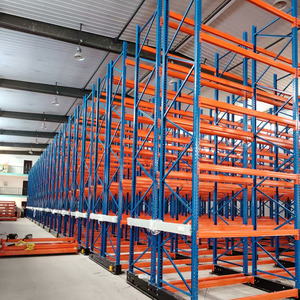
Durable Steel Storage Selective Pallet Racking System for Logistics
View Product Specs1. Technical Mechanics & Engineering Principles of OEM Push Back Racking
Push back pallet racking represents the apex of high-density, Last-In, First-Out (LIFO) pallet storage architecture. Designed for operations seeking to maximize volumetric floor utilization without driving forklifts directly into rack structures, push back systems leverage nested telescoping carts riding on inclined structural steel rails. As a forklift loads the first pallet onto the top cart, the subsequent pallet is used to physically "push back" the preceding pallet, revealing the next nested cart underneath.
Engineered with a standard 2.5% to 3.5% structural incline slope, gravity automatically feeds stored pallets forward to the front aisle picking face during unloading. This dynamic flow ensures immediate pallet availability at the aisle face, eliminating empty travel distances for materials handling equipment (MHE) and drastically reducing overall handling cycle times.
Engineering Information Gain: Dynamic Friction & Structural Gravity Control
Our OEM/ODM manufacturing processes incorporate precision-machined heavy-duty steel wheels equipped with sealed internal bearings (friction coefficient μ ≤ 0.015). This precise mechanical control ensures smooth pallet movement under extreme loads (up to 1,500 kg per cart) while preventing rapid acceleration or dynamic shock loading during gravity-assisted return flow.
When evaluated against conventional selective storage racking, an optimized 4-deep or 6-deep push back system can increase storage density by up to 75% while maintaining distinct SKU selectivity per storage lane. Because forklift operators remain in the main aisle, structural frame impact risks are virtually eliminated, resulting in significantly lower annual rack maintenance and repair expenditures for 3PL, cold storage, and distribution hub operators.
OEM & ODM Customization Scope for Global Wholesalers
We deliver fully tailored structural storage systems designed according to regional engineering standards, seismic requirements, and specific operational footprints.
Structural Alloy & Profiles
Custom cold-rolled structural steel profiles utilizing high-grade Q235B and Q355B steel, designed for maximum yield strength under dynamic loads.
- Custom Upright Pitch: 50mm, 75mm, 76.2mm, 2" Teardrop
- Structural C-Channel Rails & Heavy Box Beams
- Custom Column Gauge: 1.8mm up to 3.0mm thickness
- Anti-Pop-Out Safety Retainers on Carts
Surface Treatments & Finishes
Advanced anti-corrosion finishes specifically engineered to withstand harsh sub-zero cold room environments or humid coastal logistics hubs.
- Thermo-setting Epoxy Powder Coating (60-80μm)
- Hot-Dip Galvanizing to ISO 1461 (80-120μm)
- Custom RAL Color Matching for Brand OEM
- Extreme Sub-Zero (-30°C) Cold Storage Pre-treatment
System Kinematics & Carts
Telescoping nested cart systems precision-machined with low-profile configurations to conserve vertical space within high-bay distribution centers.
- 2, 3, 4, 5, and 6 Pallet Deep Configurations
- Heavy-Duty Steel Cart Wheels with Shielded Bearings
- Custom Pallet Support Links for Non-standard Loads
- Built-in End Stop Dampeners and Safety Stops
Push Back Racking vs. Alternative High-Density Systems
Selecting the appropriate warehouse storage system requires balancing volumetric space utilization against operational throughput speed and capital expenditure (CapEx).
| Storage System Type | Space Density | SKU Selectivity | Handling Speed | Forklift Damage Risk | Relative Cost / Pallet | Inventory Flow |
|---|---|---|---|---|---|---|
| Push Back Racking | High (75%) | Medium (Per Lane) | Fast | Very Low | Moderate | LIFO |
| Selective Pallet Rack | Low (40%) | 100% Direct | Fast | Moderate | Lowest | FIFO / LIFO |
| Drive-In Racking | Very High (80%) | Poor (Per Block) | Slow | High Risk | Low | LIFO |
| Gravity Pallet Flow | Very High (85%) | Medium (Per Lane) | Fast | Very Low | High | FIFO |
| Radio Shuttle Racking | Maximum (90%) | Medium (Per Lane) | Very Fast | Lowest | High (Automation) | FIFO / LIFO |
2. Structural Load Math & Seismic Compliance Standards
When procurement managers purchase wholesale push back rack systems for international distribution centers, structural safety under static and dynamic loading conditions is paramount. Our engineering design suite integrates finite element analysis (FEA) to simulate buckling stresses, seismic vibration frequencies, and local column bending moments.
Seismic Engineering Parameters (RMI & FEM Alignment)
System stability relies on upright frame design, footplate anchor embedment depth, and horizontal/diagonal bracing patterns. Our manufacturing lines adhere strictly to international structural codes:
- FEM 10.2.02: European Code for industrial steel rack design, ensuring safety factors against yield under asymmetric vertical loads.
- RMI (Rack Manufacturers Institute): Specification for the Design, Testing and Utilization of Industrial Steel Storage Racks (US standard).
- AS 4084:2023: Australian standard for steel storage racking, mandating strict vertical deflection tolerances under maximum payload capacity.
- REP (Reglamento Estructural Panameño): Customized seismic zone calculations for tropical and Central American seismic fault locations.
Pallet Clearances & Vertical Height Calculations
To avoid pallet interference during push back operations, vertical clear opening height ($H_{clear}$) must account for nested cart stack height, pallet height ($H_{pallet}$), load height ($H_{load}$), and lift truck entry clearance ($C_{lift}$):
Hclear = Hpallet + Hload + Hnested_cart_stack + Clift (Min 150mm)
Our custom ODM cart configurations utilize ultra-low profile nesting profiles, saving up to 50mm per beam level compared to standard aftermarket push back retrofits. Over a 5-tier rack structure, this engineering improvement saves 250mm of vertical height—frequently allowing warehouse managers to insert an entire additional storage beam level within existing building clear height constraints.
Future Procurement & Technology Trends in Push Back Systems
As automated materials handling and cold chain logistics expand globally, push back pallet racking is evolving to integrate with automated warehouse ecosystems.
Cold Chain Thermal Efficiency Optimization
With global cold chain logistics costs rising, operators are shifting to high-density 4-deep and 5-deep push back systems in refrigerated (-25°C) environments. Maximizing pallet density reduces frozen cubic volume, lowering facility refrigeration energy consumption by up to 35% per pallet stored.
AGV & AMR Hybrid Compatibility
Next-generation OEM push back systems feature precision guided entry flaring and laser-aligned target sensors. This design modification enables Autonomous Mobile Robots (AMRs) and automated forklifts to deposit and push back pallets seamlessly without human operator intervention.
Direct Factory Infrastructure & Global Supply Chain Reliability
As a tier-one OEM/ODM manufacturer, we manage the complete production lifecycle—from raw steel coil processing to export sea-freight logistics.
70,000 m² Automated Factory
Equipped with automated continuous roll-forming production lines, robotic welding stations, and automated electrostatic powder coating lines.
Strict Quality Assurance
ISO 9001 certified QA workflows testing raw material tensile strength, weld penetration, powder adhesion, and dynamic cart load endurance.
Export Seaworthy Packaging
Heavy-duty strapping, steel corner protectors, protective film wrapping, and timber bolsters ensuring damage-free ocean container delivery.
Rapid Layout Turnover
Our dedicated structural engineering office provides custom CAD site layouts, static structural calculations, and quotation bills of material within 24 hours.
Frequently Asked Questions for Buyers & Engineering Consultants
Detailed answers covering structural design, installation, maintenance, and ordering parameters for wholesale push back rack procurement.
What pallet styles and structural conditions are suitable for Push Back Racking? +
What is the maximum practical storage depth for Push Back Cart Systems? +
How does Push Back Racking perform in sub-zero cold storage facilities? +
What maintenance is required for push back structural carts and inclined rails? +
Can existing Selective Pallet Racking frames be retrofitted into Push Back systems? +
What information is required to receive a customized OEM/ODM quotation and CAD layout? +
Request Custom OEM/ODM Engineering & Wholesale Pricing
Partner with a global leader in high-density warehouse storage systems. Get customized CAD layouts, structural calculations, and competitive factory-direct pricing within 24 hours.
Get a Quote